
A recent report obtained under freedom of information from the NSW Environment Protection Authority has revealed concerning levels of cadmium in crabs dwelling in Lake Macquarie, north of Sydney. The heavy metal cadmium, found in the crabs, has raised alarms due to its potential health risks. Paul Winn from the Hunter Community Environment Centre highlighted that the public has not been adequately informed about the unhealthy levels of cadmium in the lake’s bottom-dwelling organisms.
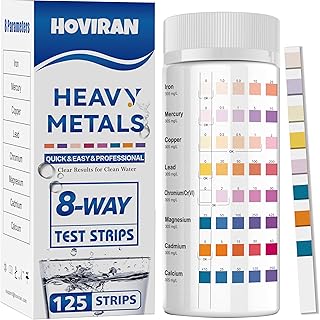
Lake Macquarie, Australia’s largest coastal saltwater lagoon, has been contaminated by heavy metals, partly attributed to its proximity to two ageing coal-fired power stations, Vales Point and Eraring. These power stations draw water from the lake for cooling, leading to contamination. The outlets of these power stations have become popular fishing spots, attracting recreational fishermen who often target crabs in the area.

For nearly two decades, warnings have been issued by the EPA advising people to limit their consumption of fish from the lake due to high selenium levels. Last year, a comprehensive study was conducted by the EPA on seafood in the lake, focusing on PFAS chemicals and heavy metals. While PFAS was not a major concern, the testing revealed persistently high selenium levels in fish and elevated cadmium levels in crabs, particularly in areas near the power stations and former lead and zinc smelter.

The EPA’s risk assessment indicated that the safe number of giant mud crab servings per week should be zero, emphasizing the potential health risks associated with consuming contaminated seafood. Despite this, the information publicly shared in January seemed to downplay the risks, suggesting a seemingly higher safe consumption limit for crab meat. This discrepancy raised concerns about the adequacy of public health communication.

Experts like Professor Melissa Haswell from the Queensland University of Technology have emphasized the dangers of cadmium accumulation in the body, particularly its impact on kidney function. Individuals with pre-existing health conditions or vulnerabilities, such as kidney problems or chronic diseases, are at higher risk and should exercise caution when consuming food containing cadmium. The slow excretion rate of cadmium from the body underscores the importance of long-term dietary considerations.

While the EPA has defended its communication efforts by stating that relevant information was shared with councils and community groups, critics argue that more transparent and effective communication strategies are needed to ensure public awareness and safety. The need for further testing and clearer dissemination of results to fishermen and the broader public has been emphasized to address the risks associated with cadmium contamination in Lake Macquarie.
In conclusion, the issue of cadmium contamination in Lake Macquarie’s crabs underscores the importance of robust environmental monitoring and effective public health communication. As stakeholders work towards mitigating the risks associated with heavy metal contamination, ongoing vigilance and proactive measures are essential to safeguard the health and well-being of the community.
📰 Related Articles
- NSW EPA Study Reveals Positive Outlook on Lake Macquarie Pollution
- eBay Report Reveals Fall 2025 Luxury Fashion Trends
- You’re Kidding Me Expo Returns to Lake Macquarie
- Why is Lake Macquarie Facing Driveway Parking Fines and Controversies?
- Why Was a Man Arrested for Firing Shots in Lake Macquarie, NSW?